
Picture Sarah, a mid-level manager. She starts her day checking 50 emails. Then come back-to-back meetings. By afternoon, her big project proposal sits untouched. Sound familiar?
Important tasks drive your long-term success. Think strategy planning or key client pitches. Routine tasks fill the rest. Emails, admin chores, quick replies. Managers often flip this. They drown in routine work. Vistage reports show this trend in 2026. Low engagement stems from unclear roles. Managers fix basics instead of leading. This wastes time on low-value stuff.
Poor balance leads to burnout. Careers stall. DeskTime studies confirm it. Workers lose 21.5 hours weekly to unproductive meetings. Interruptions hit every three minutes. You refocus in 23 minutes each time. Result? Less than 60% focused work hours.
You can fix this. This post shares proven steps. First, spot high-impact tasks with the Eisenhower Matrix. Next, build schedules via time blocking and OKRs. Then, use 2026 tools like AI. Finally, dodge common pitfalls. These methods free your day for what matters.
Spot High-Impact Tasks Hiding in Your Daily Grind
Routine tasks trick you. They feel urgent. Replying to every email seems key. Yet prepping a client pitch changes your quarter. Important tasks move the needle. Creative planning. Goal-setting. Big projects.
Start with clarity. Ask yourself: Does this task build my future? Or just clear the inbox? Studies back this. Focused important work boosts output 20-40%. Routine drags pull you down.
The Eisenhower Matrix sorts it all. President Dwight D. Eisenhower inspired it. Plot tasks on urgent vs. important axes. Four quadrants emerge.
| Quadrant | Urgent & Important | Important, Not Urgent | Urgent, Not Important | Neither |
|---|---|---|---|---|
| Action | Do now | Schedule | Delegate | Delete |
| Example | Client crisis | Strategy planning | Routine emails | Junk mail |
This tool frees time. For details on setup, check Airtable’s guide to the Eisenhower Matrix.
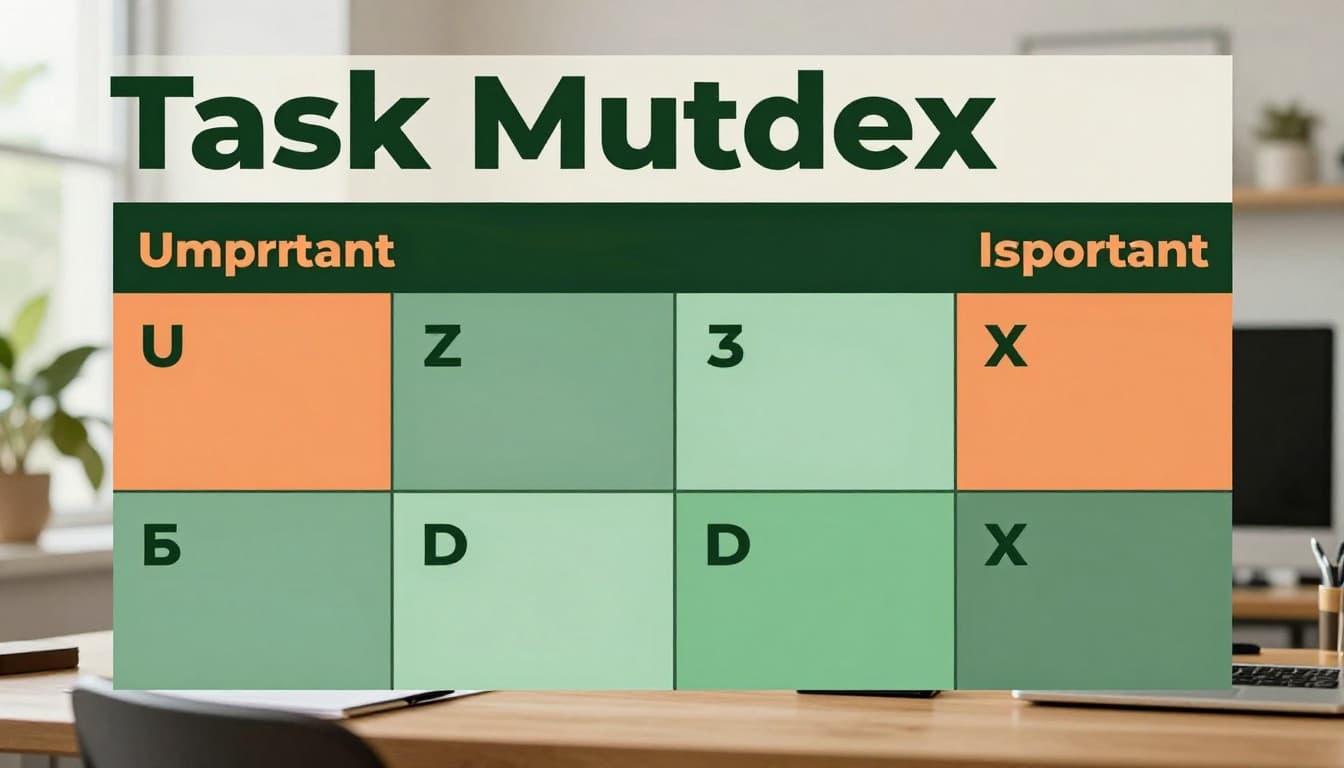
List your top 10 tasks now. Label each. You will see patterns. High-impact ones hide under routine noise.
Draw Your Own Eisenhower Matrix in Minutes
Grab paper or a notes app. First, list all tasks. Next, rate urgency and importance. Urgent means deadline-driven. Important means goal-aligned.
Sort into quadrants. Do the top-left now. Schedule bottom-left for deep focus. Delegate top-right. AI handles many here in 2026. Delete the rest.
For example, draft that pitch today. Block time for quarterly goals next week. Let a tool reply to status emails.
Benefits stack up. Better work-life balance. Less stress. More wins. Try it: Pull your task list. Draw the grid. Act in five minutes.
Build a Schedule That Puts Important Work First
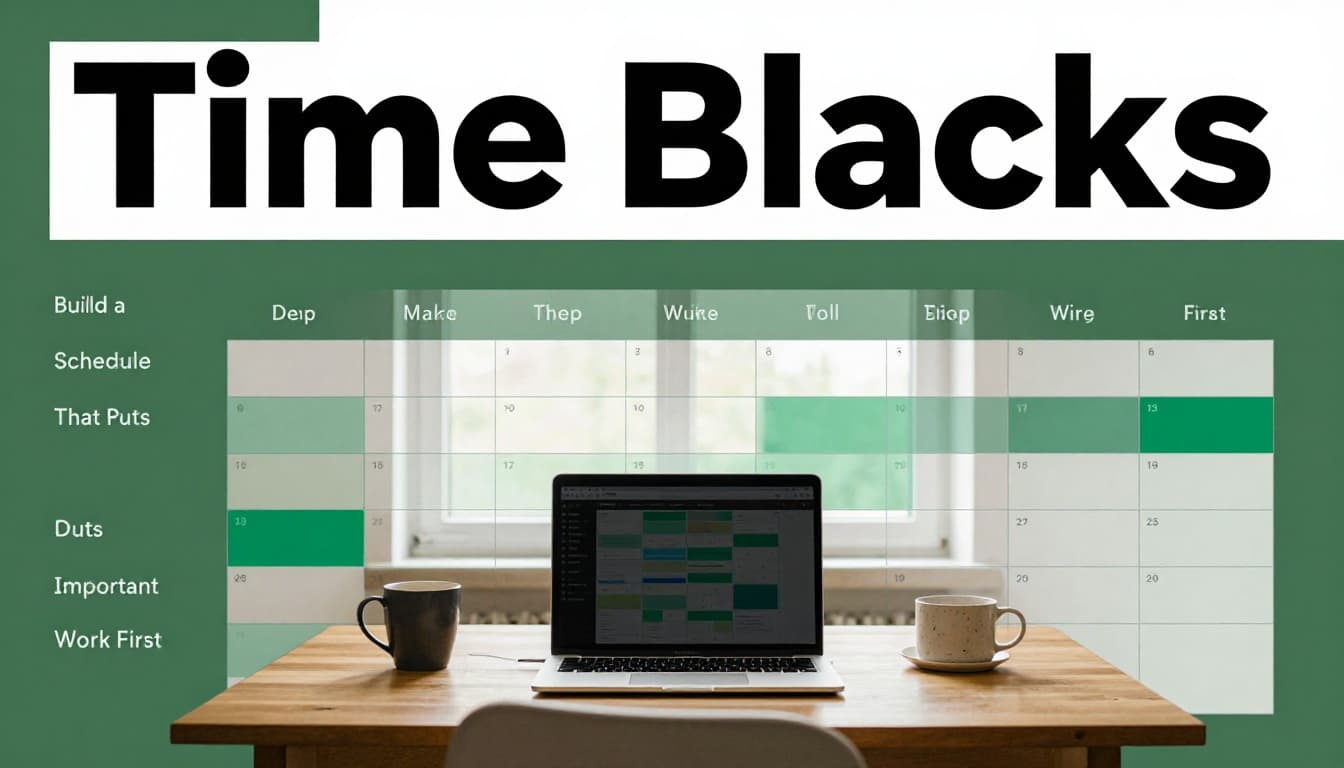
Time blocking locks in priorities. Assign fixed slots to important tasks. Mornings suit deep work like strategy. Afternoons handle routine batches.
Pair it with OKRs. Objectives and key results align days to goals. Set quarterly targets. Break to weekly checks. This keeps routine from stealing focus.
2026 trends help. Workplaces cut meetings to two or three weekly. That’s down from daily chaos. Productivity jumps 71% with 40% fewer. Energy-based planning fits tasks to your sharpest hours.
Sample weekly schedule:
- Monday: 9-11 AM strategy (important). 2-4 PM emails (routine).
- Tuesday: Client calls. No-meeting blocks.
- Wednesday: Deep project work. Batch admin post-lunch.
- Thursday: OKR review. Delegate low-value.
- Friday: Wrap routine. Plan next week.
This setup prevents drift. Routine fits gaps. Important owns prime time.
Master Time Blocking to Protect Your Focus
Identify peak hours first. Mornings? Afternoons? Block two-hour chunks for important work. Batch routine like emails in 30-minute slots.
Apps make it easy. Reclaim.ai auto-schedules. For top picks, see FlowSavvy’s list of time blocking apps. DeskTime data shows meetings waste half your week. Cut them. Use async updates.
Beginner template: Color-code calendar. Green for important. Yellow for routine. Guard blocks fiercely.
Link Daily To-Dos to Big Wins with OKRs
OKRs simplify goals. One objective. Three to five key results. Measurable. For example, “Boost sales 20%.” Results: “Update pipeline weekly.” “Pitch five clients.”
Review Sundays. Adjust tasks. Personal use shines. Check Weekplan’s guide to personal OKRs. Teams scale with dashboards. Daily to-dos feed big wins.
Boost Your Balance with 2026 Tools and Smart Fixes
AI changes everything. It handles routine. ChatGPT drafts emails. Copilot summarizes reports. Free hours for strategy.
Track energy too. Apps reveal peaks. Dodge time-sucks like notifications. Priority audits keep you sharp.
Common pitfalls hurt. Endless meetings. Vague goals. Distractions.
| Pitfall | Fix |
|---|---|
| Too many meetings | AI notetakers like Fathom |
| Notifications | Turn off during blocks |
| Vague goals | Yearly audit with OKRs |
For AI picks, see Zapier’s best productivity tools. Start small. Pick one fix today.
Let AI Take Over Repetitive Routine Work
Prompt AI daily. “Prioritize my inbox. Draft replies.” ChatGPT excels. Copilot integrates with docs. Future agents automate more.
Use it for emails, summaries. Frees 20% time per Vistage. Focus shifts to important.
Track Energy and Dodge Time-Sucks
Apps log your peaks. Plan tough tasks then. Cut bad meetings. Save 20 hours weekly.
Weekly audits spot leaks. Silence notifications. Batch checks. Energy wins.
Balance comes from action. Use the Eisenhower Matrix to categorize. Block time for important work. Tie in OKRs. Let AI eat routine. Skip pitfalls.
Do a priority audit today. List tasks. Sort them. Block your calendar. Share your wins in comments.
Imagine less stress. More progress. In 2026, this edge sets leaders apart. You got this. Start now.