
You start Monday with fire in your belly. By Friday, chaos rules. Emails pile up, tasks slip, and your week crumbles.
Recent research backs this up. Workers who plan their weeks report better work-life balance and less exhaustion. Those with messy schedules gain the most from simple planning. It cuts decision fatigue so your brain focuses on real work.
This post shares a flexible system. You’ll learn a quick weekly ritual, momentum tricks like the Never Go To Zero rule, and fixes for pitfalls. Stick with it, and you own your week.
Set Up a 20-Minute Weekly Planning Ritual That Works
Pick Sunday evening or Monday morning. Spend 20 minutes on this ritual. Experts swear by it because it matches your energy and spots problems early.
First, review the past week in five minutes. Then scan ahead for two to three weeks in another five. Next, assign tasks to days over 10 minutes. Finally, prep materials in the last five. Always leave buffer time. Don’t cram every slot.
This builds consistency. Big tasks go early when your energy peaks. Buffer space handles surprises. For example, prep client files Monday. That avoids mid-week scrambles.

One blogger calls it the weekly planning ritual that keeps things sane. It works because you front-load effort.
Review What Happened Last Week
Grab your notebook or app. Note wins first. What went smooth? Celebrate those.
Spot misses next. Which tasks overran? Look for patterns, like reports always taking extra time. This quick check stops repeats. It builds self-awareness too.
For instance, if emails ate Tuesday, batch them next week. Five minutes here prevents bigger issues later. As a result, your plan gets smarter each time.
Look Ahead and Block Time Smartly
Open your calendar. Check events two to three weeks out. Note deadlines or meetings.
Spread tasks evenly. Put key work Monday or Tuesday. Energy dips later in the week. Add white space for life, like family time or rest.
Overload kills flow. Instead, limit three to five tasks per day. This keeps momentum without burnout.
Prep Ahead to Hit the Ground Running
Gather tools now. Print docs or charge devices. Stock what you need.
Take weekly meal prep. Chop veggies Sunday. Mornings stay smooth. No last-minute hunts.
At work, pull files for Monday calls. Days start strong. Small preps compound into consistency.
Use These Battle-Tested Tricks to Never Miss a Beat
Habits keep you going. Research shows streaks boost productivity through visual momentum. Set two to three clear weekly goals. Make them visible daily, like on your fridge.
Each day, pick top three tasks. Then use the Never Go To Zero rule. Create ideal and minimum versions. This prevents total skips that kill streaks.
Add If-Then plans. Track showing up over outcomes. Anchor to fixed times, like Sunday planning. Everyday examples make it stick.
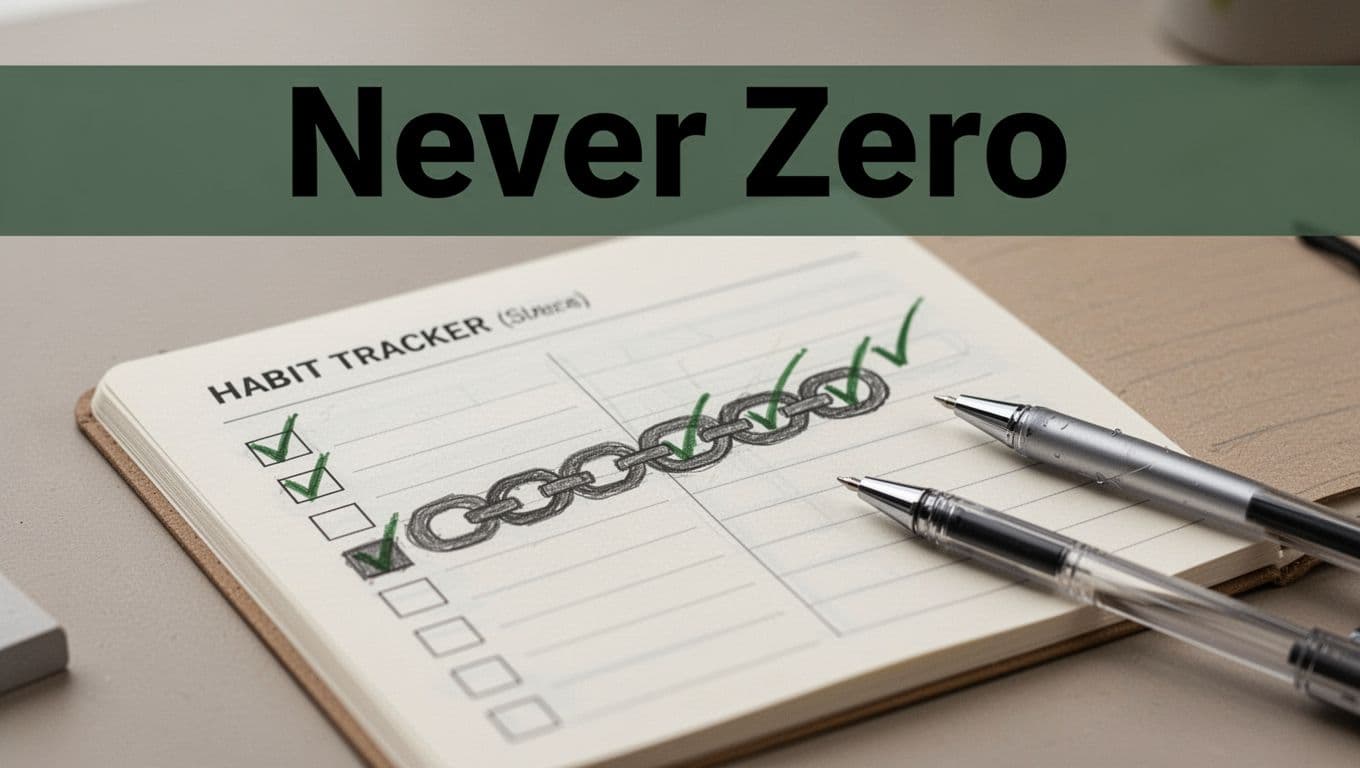
These tricks build reliable rhythms. They turn intention into action.
Embrace the ‘Never Go To Zero’ Rule
Define ideal, like 45-minute workout. Set minimum, a 10-minute walk. On tough days, hit the minimum.
Any effort counts. This dodges all-or-nothing traps. Sites like Higher Mind explain the Never Zero commitment. It protects streaks.
Streaks create loss aversion. Skipping hurts more after 30 days. So you show up consistently.
Make Decisions Automatic with If-Then Plans
Say, “If alarm at 6 a.m., then five-minute journal.” Specifics cut procrastination. No choices needed.
Research calls these implementation intentions. They boost follow-through. Check Thriva’s guide on If-Then planning science for proof.
Use them for tasks like “If 3:30 p.m., then stretch.” Habits form fast because brains automate.
Track Your Streaks by Showing Up
Focus on starts, not finishes. Opened the gym bag? Mark it.
Apps help, but paper works. Seeing chains grow motivates. 2026 studies confirm streaks reduce decision fatigue.
Miss a day? Restart. Long-term progress beats perfection. This builds lasting consistency.
Overcome the Biggest Hurdles Keeping You Inconsistent
Interruptions derail most plans. Track one week to see patterns. Often, it’s boundaries or oversized tasks, not poor planning.
Shrink failing tasks or drop them. Embrace flexible structure. Weekly reviews fix these naturally. Small tweaks yield big wins.

Stay encouraged. You can handle this.
Handle Non-Stop Interruptions Without Losing Your Flow
Log every interrupter. Texts? Coworker chats? Patterns emerge.
Protect blocks with “no’s” or batches. Check email twice daily. One site shares how to plan days despite constant interruptions.
Batch quick asks. Flow returns. Your schedule holds firm.
Fix Tasks That Keep Slipping Through Cracks
Break big ones smaller. Question importance from past data.
If reports slip weekly, cut scope. Delegate if possible. Past weeks guide smart cuts.
This clears cracks. Progress feels steady.
Avoid Burnout by Planning for Real Life
Add buffers daily. Give “good enough” permission.
Rigid plans fail. Flexible ones last. Rest recharges you.
Schedules sustain when they fit life. Consistency follows.
Start your 20-minute ritual this weekend. Use one trick like Never Go To Zero tomorrow. Research shows planners feel more satisfied.
Consistency comes from intention, not perfection. Share your first win below. What hurdle trips you most?